

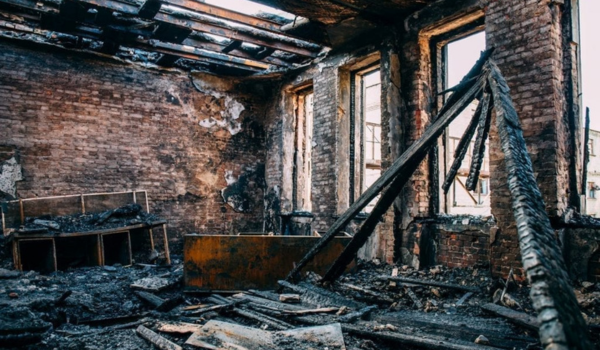

Fire and smoke damage can leave surfaces covered in soot, carbon deposits, and discoloration that are notoriously difficult to clean. Traditional methods like chemical scrubbing or abrasive blasting often risk further damaging delicate materials, especially in heritage restoration or specialized surfaces. Laser cleaning, however, offers a non-contact, safe, and highly effective solution for restoring surfaces affected by fire and smoke damage. In this post, we’ll explore why laser cleaning is a safer alternative and how it revolutionizes fire and smoke damage restoration.
What is Laser Cleaning for Fire and Smoke Damage Restoration?
Laser cleaning is a cutting-edge technology that uses focused beams of laser light to remove contaminants, soot, and deposits from surfaces without causing harm to the underlying material. For fire and smoke damage restoration, laser cleaning is particularly valuable because it:
- Targets contaminants with precision.
- Does not involve harsh chemicals or abrasives.
- Preserves delicate materials and surfaces.
This makes laser cleaning ideal for sensitive restoration projects, including heritage buildings, artwork, and modern surfaces that require gentle yet thorough cleaning.
How Does Laser Cleaning Work for Fire and Smoke Damage?
The laser cleaning process relies on laser ablation, the same scientific principle used in other laser applications:
1. Emission of Laser Beam
A high-energy laser beam is directed at the contaminated surface.
2. Absorption of Laser Energy
The soot, carbon deposits, and fire residues absorb the laser’s energy, heating up rapidly while the underlying surface remains cool.
3. Vaporization and Removal
The absorbed energy causes the contaminants to break apart and vaporize or lift off the surface in the form of fine particles.
4. Collection of Residue
Any debris or particles released during the process can be vacuumed or extracted safely, ensuring a clean and controlled environment.
The precision of the laser allows operators to remove only the unwanted contaminants while leaving the base surface intact.
Why is Laser Cleaning Safer for Delicate Surfaces?
Laser cleaning is revolutionizing fire and smoke damage restoration because it is:
1. Non-Contact and Non-Abrasive
Unlike sandblasting, scrubbing, or chemical treatments, laser cleaning does not involve any physical contact. This means it:
- Eliminates the risk of scratching or eroding delicate surfaces.
- Leaves historic stonework, artworks, or sensitive materials unharmed.
2. Precision-Targeted
The laser beam can be adjusted to target specific areas with extreme precision, making it perfect for:
- Detailed restorations.
- Removing fine layers of soot or deposits without affecting the base surface.
3. Chemical-Free and Eco-Friendly
Laser cleaning does not rely on toxic chemicals or solvents that can be harmful to the environment or the operator. It is a clean process that reduces:
- Environmental impact.
- Hazardous waste disposal costs.
4. Controlled and Safe
Modern laser cleaning systems are designed to operate safely. With proper safety equipment and trained operators, the process minimizes risks to workers and nearby areas.
Applications of Laser Cleaning in Fire and Smoke Damage Restoration
Laser cleaning can be applied to a wide range of fire and smoke-damaged surfaces, including:
1. Heritage and Historic Buildings
- Safely remove soot and carbon deposits from stone, brick, and delicate architectural details without damaging the original structure.
- Restore historic artwork, sculptures, and fixtures to their original appearance.
2. Residential and Commercial Properties
- Clean walls, ceilings, and other surfaces affected by smoke and soot.
- Prepare surfaces for repainting or repairs after fire damage.
3. Industrial Facilities
- Remove soot, grime, and carbon build-up from machinery, tools, and equipment without disrupting their operation.
- Restore ventilation systems and other critical surfaces.
4. Artwork and Decorative Surfaces
- Clean smoke-damaged paintings, statues, and other delicate artwork with precision.
- Restore decorative materials like plaster, ceramics, and glass without abrasion.
Benefits of Using Laser Cleaning for Restoration Projects
1. Preserves Original Material
Laser cleaning gently removes contaminants without altering or damaging the original material, making it perfect for restoration projects where preservation is key.
2. Cost-Effective and Efficient
Laser cleaning reduces labor time and eliminates the need for expensive chemical products. Its precision allows operators to complete restorations faster and more effectively.
3. Minimizes Downtime
For commercial and industrial properties, laser cleaning is faster and cleaner than traditional methods, allowing for quicker return to operations.
4. Environmentally Friendly
By eliminating chemicals and minimizing waste, laser cleaning supports sustainable restoration practices that align with modern environmental standards.
Case Study: Restoring a Historic Building After Fire Damage
Imagine a historic church covered in soot and carbon after a fire incident. Traditional cleaning methods like scrubbing or chemical washes would risk damaging the intricate stone carvings and historic details. By using laser cleaning:
- The restoration team safely removed layers of soot and carbon.
- The delicate stonework was left intact and unharmed.
- The process was completed efficiently, with minimal waste and no chemical residue.
The result? A beautifully restored building that maintained its original integrity and appearance.
Laser cleaning is revolutionising fire and smoke damage restoration by offering a safer, cleaner, and more precise alternative to traditional cleaning methods. Its non-contact, chemical-free approach makes it ideal for delicate surfaces, heritage buildings, and specialized restoration projects. Whether you’re restoring a historic property, artwork, or a commercial space, laser cleaning ensures outstanding results while preserving the integrity of the materials.
If you’re facing a fire or smoke damage restoration challenge, contact us today to learn how laser cleaning can deliver safe, efficient, and eco-friendly results.